Month: September 2026
Sep 02, 2026 Business
How to Display Products When Customers Are Only Passing Through
Retailers aren’t the only businesses that need to make products or objects stand out. Temporary exhibitions, trade shows, showrooms, and promotional events all have the same basic challenge: people may only give a display a few seconds of attention.
That means the presentation has to communicate quickly.
Start With One Clear Message
A display shouldn’t require a customer to study it for five minutes before understanding what’s being shown.
Choose the main item, collection, or idea you want people to notice and build the presentation around it. Supporting products can be included, but they shouldn’t compete with the primary feature.
This is particularly important at busy exhibitions where visitors are constantly moving between displays.
Don’t Fill Every Inch
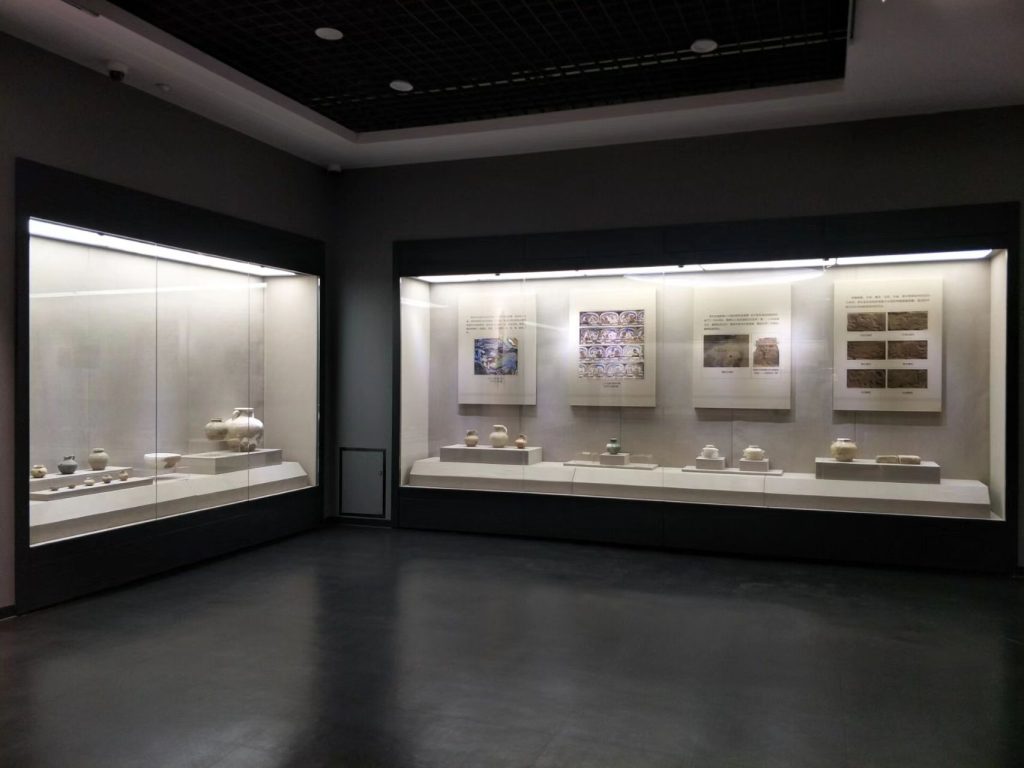
There is a tendency to pack temporary displays with as much merchandise as possible.
More products don’t necessarily mean more interest.
If items are crowded together, visitors may glance at the display and move on because there isn’t an obvious focal point. Leaving space around important pieces makes them easier to identify and gives the overall presentation a more deliberate appearance.
Think About Viewing Angles
Unlike a permanent store fixture, an exhibition display may be approached from several directions.
Products should remain visible as visitors move around the space. If everything is positioned toward one specific viewing angle, a large portion of the audience may miss the main feature.
This is where exhibition display cases can be useful. They can provide a defined viewing area while allowing products or objects to be seen clearly from different positions.
Keep Important Details at a Comfortable Height
The most interesting part of an object shouldn’t be hidden too low or positioned so high that visitors can’t examine it properly.
Think about where people will naturally stand and what they can see from that position. If the display contains small details, make sure visitors can get close enough to appreciate them without creating congestion.
Lighting Should Support the Display
Temporary exhibitions often take place under artificial lighting, and the existing venue lighting may not be ideal.
Reflections can become particularly noticeable on glass, while insufficient lighting can make objects appear dull or difficult to examine.
Test the display from several viewing angles before the event opens. What looks fine from behind the display may look completely different from the visitor’s side.
Consider Security Without Hiding the Product
Some exhibition pieces need protection, particularly if they’re valuable, fragile, or irreplaceable.
The challenge is protecting them without making the display feel inaccessible. Clear enclosed cases can provide that separation while still allowing visitors to see the object properly.
The product should remain the focus.
Make Setup and Breakdown Practical
Temporary displays have one major difference from permanent retail fixtures: they often have to be moved.
Consider how easily the display can be assembled, transported, cleaned, and packed away. A complicated setup might look impressive but create unnecessary problems when staff have limited time before or after an event.
Use Signage Sparingly
Visitors need enough information to understand what they’re looking at, but large blocks of text can discourage people from stopping.
Short descriptions, clear labels, and simple headings are generally easier to process. If someone wants more information, you can provide it through staff, brochures, QR codes, or other supporting material.
Design for the Traffic Around It
The surrounding space matters just as much as the case itself.
Leave enough room for visitors to stop without blocking people walking past. At busy events, this can make the difference between a display that attracts attention and one that creates a bottleneck.
The Practical Approach
Temporary displays have to work quickly because visitors don’t have unlimited time or attention.
Clear presentation, sensible spacing, good visibility, and practical setup should all be considered before the display reaches the exhibition floor. When those basics are handled properly, the display can communicate its purpose without relying on excessive decoration or complicated design.